In 2020 it seems like there is newfound interest in food preparedness, but quarantines or not, being prepared for emergencies is something that should be a priority to everyone. You never know what could prevent you from being able to shop for food – job loss, natural disasters, family emergencies, and yes, quarantines due to viral outbreaks.
I guess you could call us “preppers”. Really you could call most homesteaders that – one of the main draws to this lifestyle is self-sufficiency. In our years spent building up our homestead and pantry I have learned a few things about what foods would be most helpful to have on hand. Here are some of the top items:
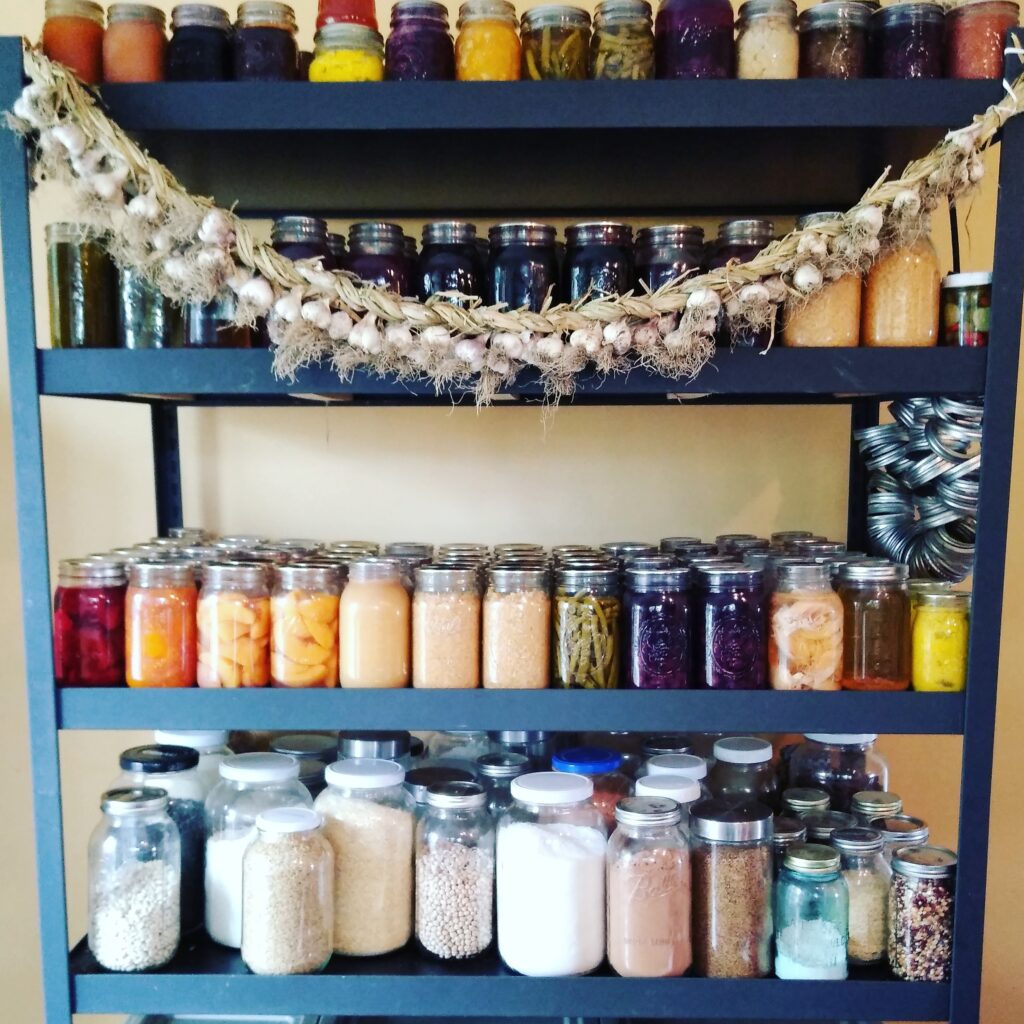
DRIED BULK GOODS – wheat berries, rice, oats, beans, etc. These items, if stored properly, have an extremely long shelf life. In the event of an emergency you can always bake some bread or cook up some rice and beans.
BAKING SUPPLIES – Perhaps you aren’t prepared to bake bread without yeast, so you might want to consider having some on hand. Things like baking soda and powder will allow you to make biscuits, muffins, and other baked goods. You can also never have enough sweeteners and oil/fats!
PROTEIN – Freezers full of meat are wonderful, but not ideal when you consider long-term power outages. Canned meat and beans can be warmed quickly, even without power. Even better, having some backyard chickens to provide you with a constant source of fresh eggs every day.
CANNED GOODS – Once again, having canned items that are shelf stable and can be consumed without energy usage are ideal. If you have to eat a lot of dried grains for a while, these items will be the treats that keep you from being bored, and give you added vitamins.
SPICES – While not necessary, having a variety of bulk spices and flavorings on hand will make your food a lot less boring.
The Bible tells us not to worry about where our food will come from, but that isn’t an excuse to be unprepared. Preparing can be the difference between being a blessing to others in a time of need or being a burden to them.
What makes a good homemaker? Scrolling through social media and seeing immaculate homes, perfectly dressed children, and fancy meals – it can make us wonder if we are doing enough.
But it’s like asking what makes a good chef. You have to get more specific. Sushi chef? Pastry chef? The success of a chef is dependent on where they work, just like the success of a homemaker depends on the home and family they serve.
As stay at home mothers we have the blessing of being our own bosses, but even the CEO answers to a board of directors. Our boards consist of our husbands and children. They help determine our priorities. Their needs shape the way we fulfill our duties and where we put our energy.
So if you find yourself wondering if what you are doing is enough, don’t look outside of your home for the answer. Look to your family. Are they happy? Healthy? Loved? Safe? Your life doesn’t have to look cookie cutter to answer those questions with a yes. Your home can be a little messy. The decor can be outdated. Your kids can look a little feral. Your meals can be simple.
Determine your priorities with your family in mind and serve them with all of your heart. Do it for the glory of God. That is what makes you a good keeper of your home. That is what blesses your husband and children.
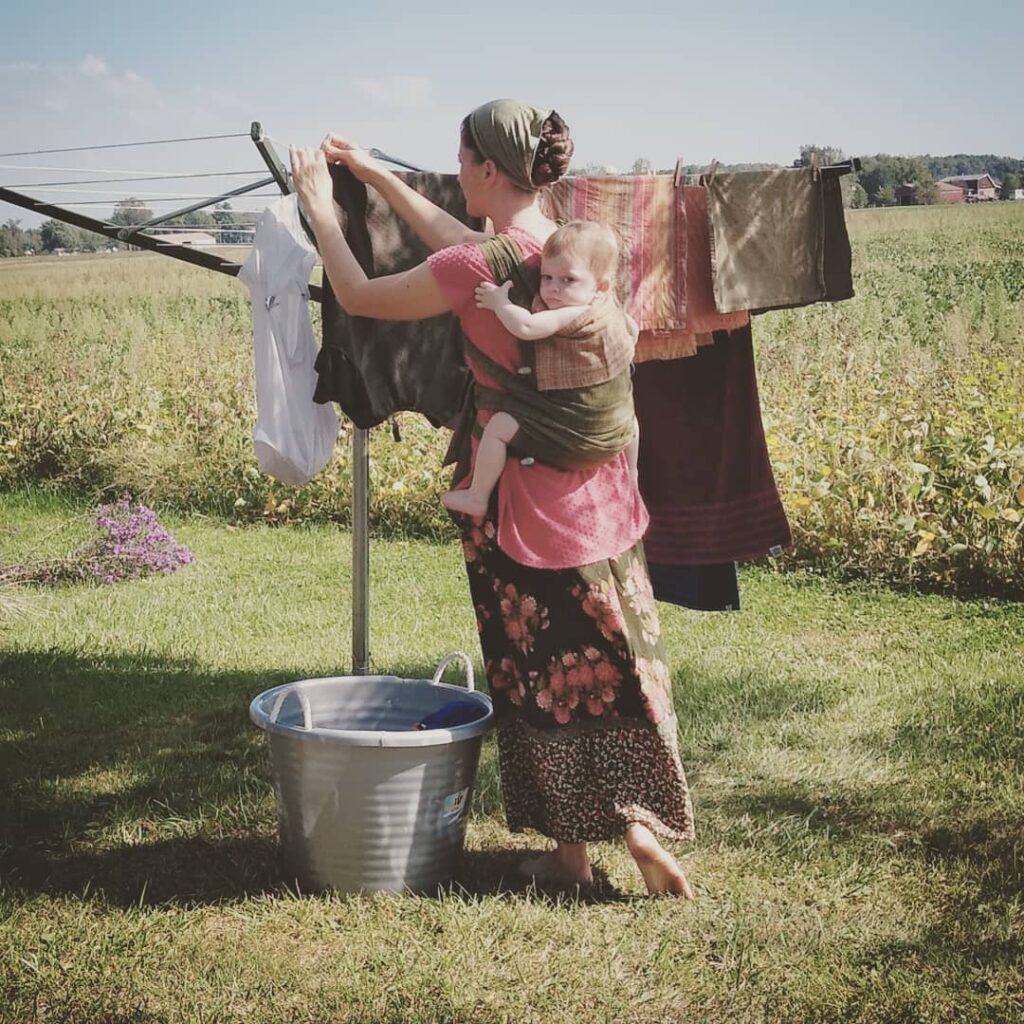
I’ve been thinking recently about what draws people to this homesteading life. We see it now on reality TV and across social media. People are entertained by watching others live out this lifestyle, but what modern homesteaders are doing isn’t really remarkable at all. The homesteading life involves skills and experiences that many people around the world live out daily just for survival, and they are certainly skills that our ancestors used without giving a second thought. What makes it so interesting that people are doing these things in 2020?
I believe it’s the choice that’s remarkable. Since the beginning of time human beings have aimed to make life easier – to invent things to take over our physical labor for us and to give us more leisure time. Why on Earth would someone choose to regress and do things the hard way again? Why grow food when you can buy it?
We read books like Little House on the Prairie and we romanticize Ma Ingalls’ life. We imagine ourselves stoking the fire, kneading the bread, and tending the garden. It all seems so peaceful. That’s what we’re really after – the peace.
Humans strove to make life easier, thinking THAT would bring simplicity, but we never realized that a lot of this progress just complicates things more. Sure, most of us don’t have to do a lot of heavy physical labor anymore, but now our brains are just busier. Instead of doing a hard day of backbreaking work, our minds feel exhausted after a day at the office. Perhaps some of us just aren’t built for the rat race. Maybe the speed and consumption of modern life isn’t that healthy after all.
We think of Ma Ingalls and it feels like a deep sigh of relief, imagining a life without all of the mental clutter and noise, where our concerns revolve less around the world around us and more around the goings-on in our own little worlds at home. What we truly want is that simplicity in focus.
But I’m not so sure that it felt very simple to Ma Ingalls. I think she probably felt just as stressed and tired doing all of her physical labor each day. Sewing all of your own clothes, growing all of your own food, and building your own home without a safety net probably isn’t as romantic as the books make it sound.
In our effort to progress from that way of life, maybe we threw out the baby with the bathwater. Maybe there’s a balance that can exist somewhere between the technology that makes life easier and the simplicity of the time before that technology existed.
That’s what modern homesteading is to me – a choice to take a step back in time to a simpler, home-based life while holding on to the things I enjoy about the present. It’s taking the good parts of the past and mixing them with the good parts of modern technology. No longer do we have to worry about one bad crop meaning starvation for our family. We can simply enjoy the process of growing our own food, knowing that the grocery store is there for us if we fail – taking the skills of old-fashioned living and treating them as hobbies that bring us joy instead of stressors necessary for our survival.
Modern homesteaders make that choice because they know the hard work quiets busy minds and helps to bring our focus back to home and our Creator. When the world around us seems to be chaotic and ready to fall apart, we can fill our hands with the soil and everything else melts away. Choosing the hard work can bring peace, and that’s not a common message in our culture. That’s why it’s so remarkable.